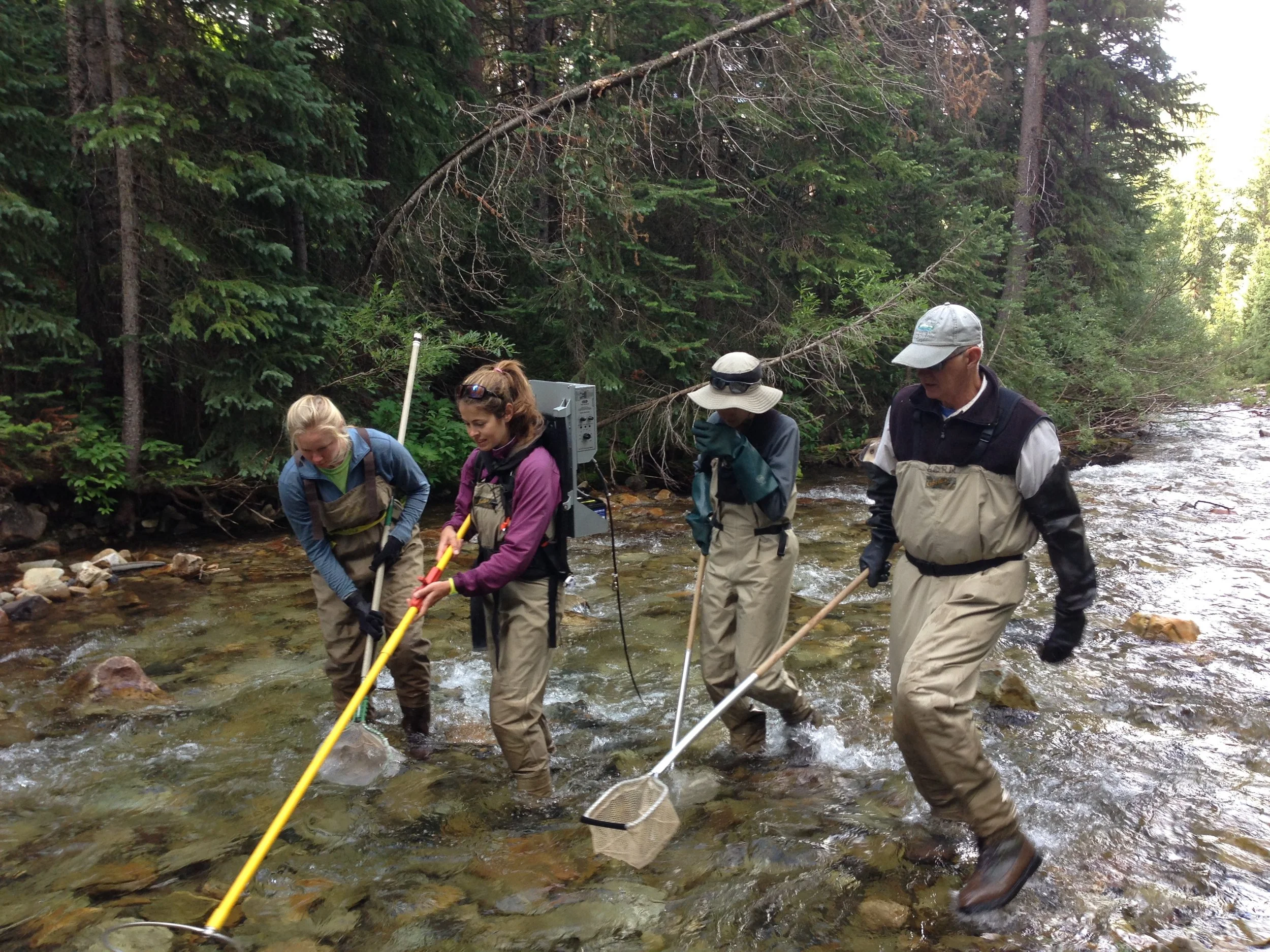
The Future Flows from Our Past
Learning from Legacy, Leading in Conservation
Rocky Mountain Rivers’ origins stretch back many decades, beginning with a legendary story.
Saving Mexican Cut
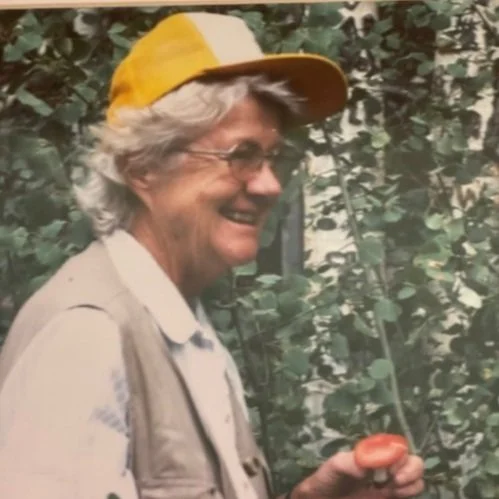
As legend has it, a bulldozer was inching its way up the valley beyond the Rocky Mountain Biological Laboratory (RMBL), bound for a headwaters basin above. It was stopped—not by a snowdrift left by an avalanche, not by a locked gate, but by a woman standing firmly in its path. That woman was Scottie Willey.
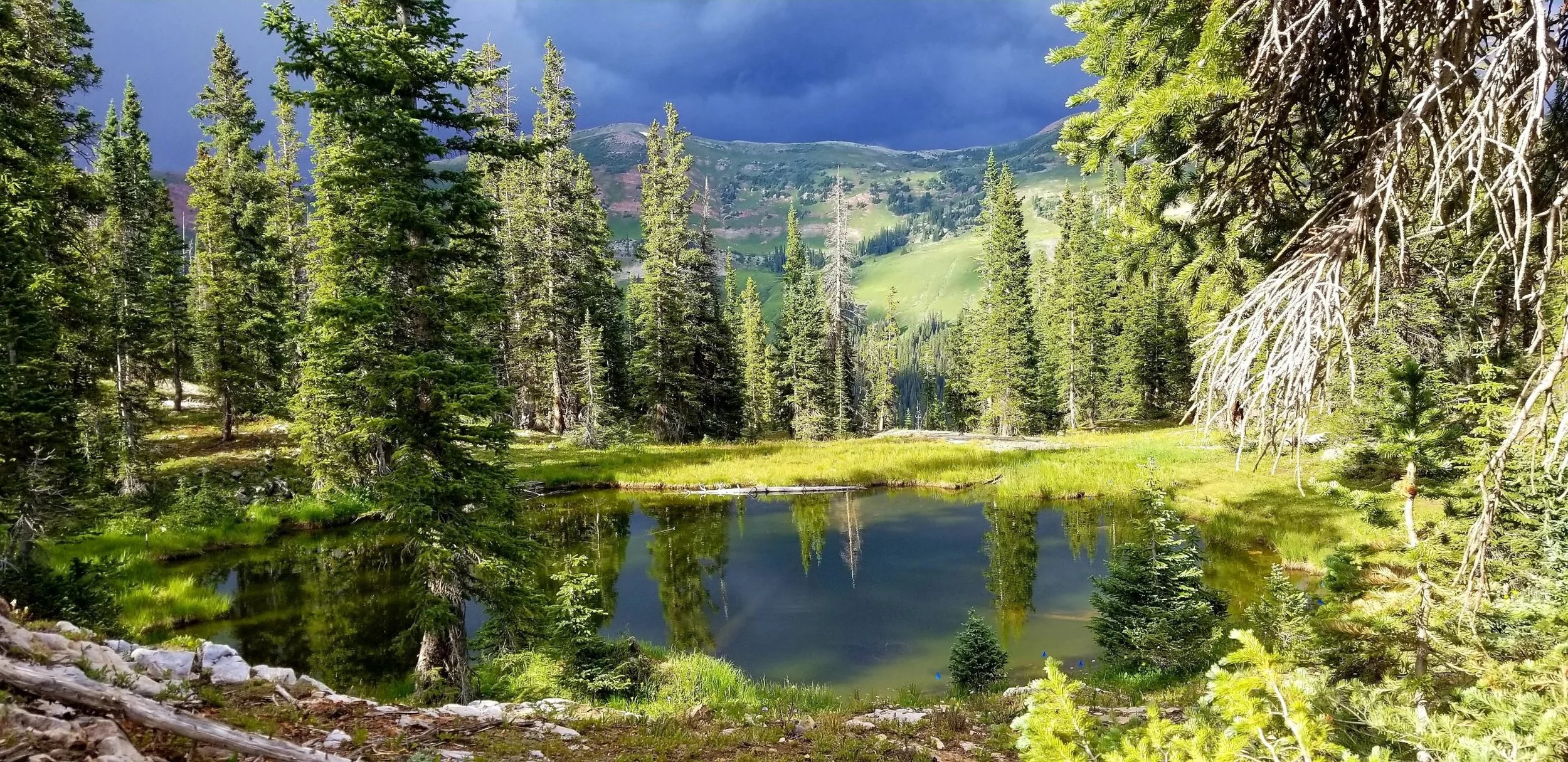
Scottie, one of the first women to earn a PhD in biology from Harvard University, first came to RMBL in 1958. A dragonfly scientist, she and her husband Bob, a grasshopper researcher, quickly recognized the extraordinary scientific value of a bowl-shaped basin nestled within the subalpine forests north of RMBL - The Mexican Cut. Once claimed for gold and silver mining and later abandoned, the basin is a critical headwaters ecosystem, rich with native plants and alpine ponds teeming with aquatic life.
Over time, the Willeys developed a deep scientific and personal commitment to protecting the area. In 1966, through careful negotiation, they persuaded The Nature Conservancy to purchase The Mexican Cut, designating RMBL as its caretaker. Donors later helped repay the purchase cost, enabling RMBL to secure full ownership.
As the bulldozer made its way up to Mexican Cut aiming to reinvigorate mining operations, a friend rushed to their cabin with the urgent news. Scottie leapt into their VW van and sped to the scene. She parked behind the machine, scrambled up a steep mountainside, cut through the trees to get ahead of it, and dropped down directly in its path, signaling the driver to stop.
The puzzled operator cut the engine and allowed Scottie to climb into the cab. Breathless, she explained that the land was now protected. Without protest, the driver turned the bulldozer around and headed back down the mountain. It wasn’t until Scottie’s courageous act that Mexican Cut was truly saved from development. A gate blocks the road now.
Protecting the Headwaters
Protecting the Mexican Cut was only the first chapter in Willey’s conservation story.
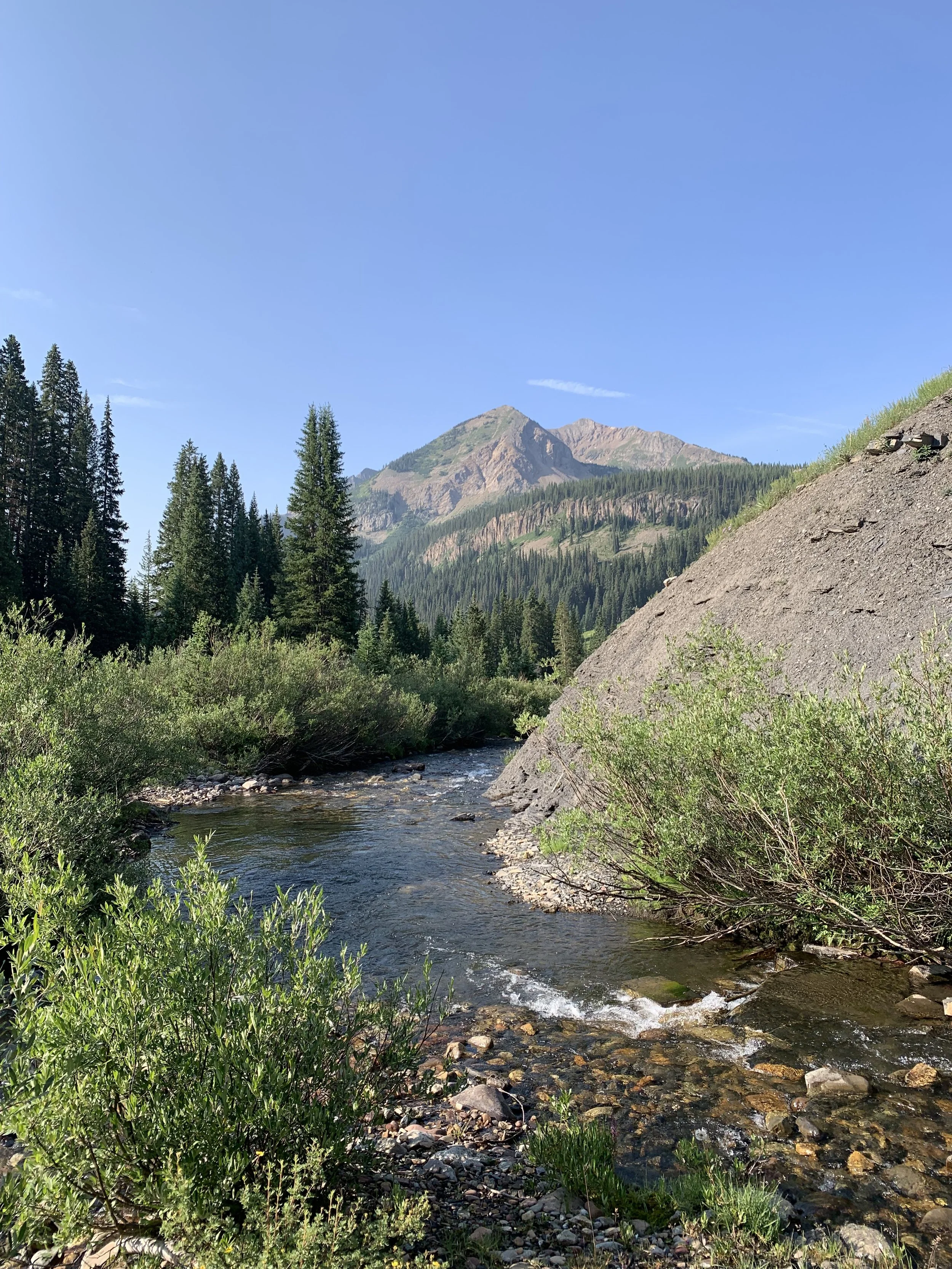
Because the ponds of Mexican Cut were essential to Scottie’s research, she grew concerned about safeguarding the water itself and the aquatic communities that depend on it. At the time, Colorado water law granted rights only to those who intended to consume or divert water, leaving the Colorado River headwater streams that flow through RMBL and the Mexican Cut ponds legally unprotected.
Working alongside Bob and a forward-thinking attorney, Pete Klingsmith, Scottie applied for one of the state’s first non-consumptive water rights, a groundbreaking move that secured the headwaters flowing through the RMBL valley for research and conservation. By 1973, RMBL held these rights, enabling generations of scientists and students to study the streams and lakes without threat. Their efforts helped influence water law across Colorado.
Science meets Stewardship
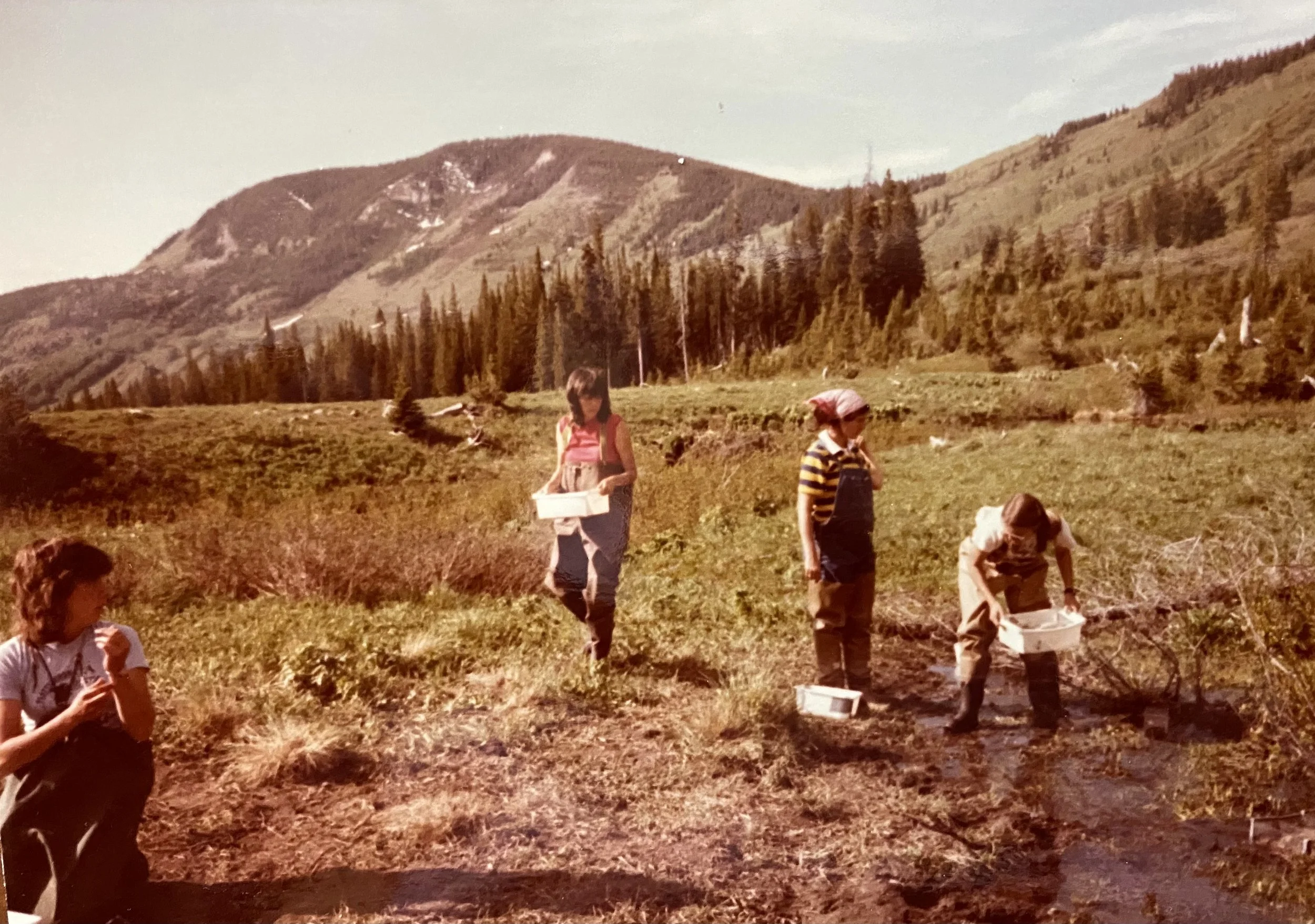
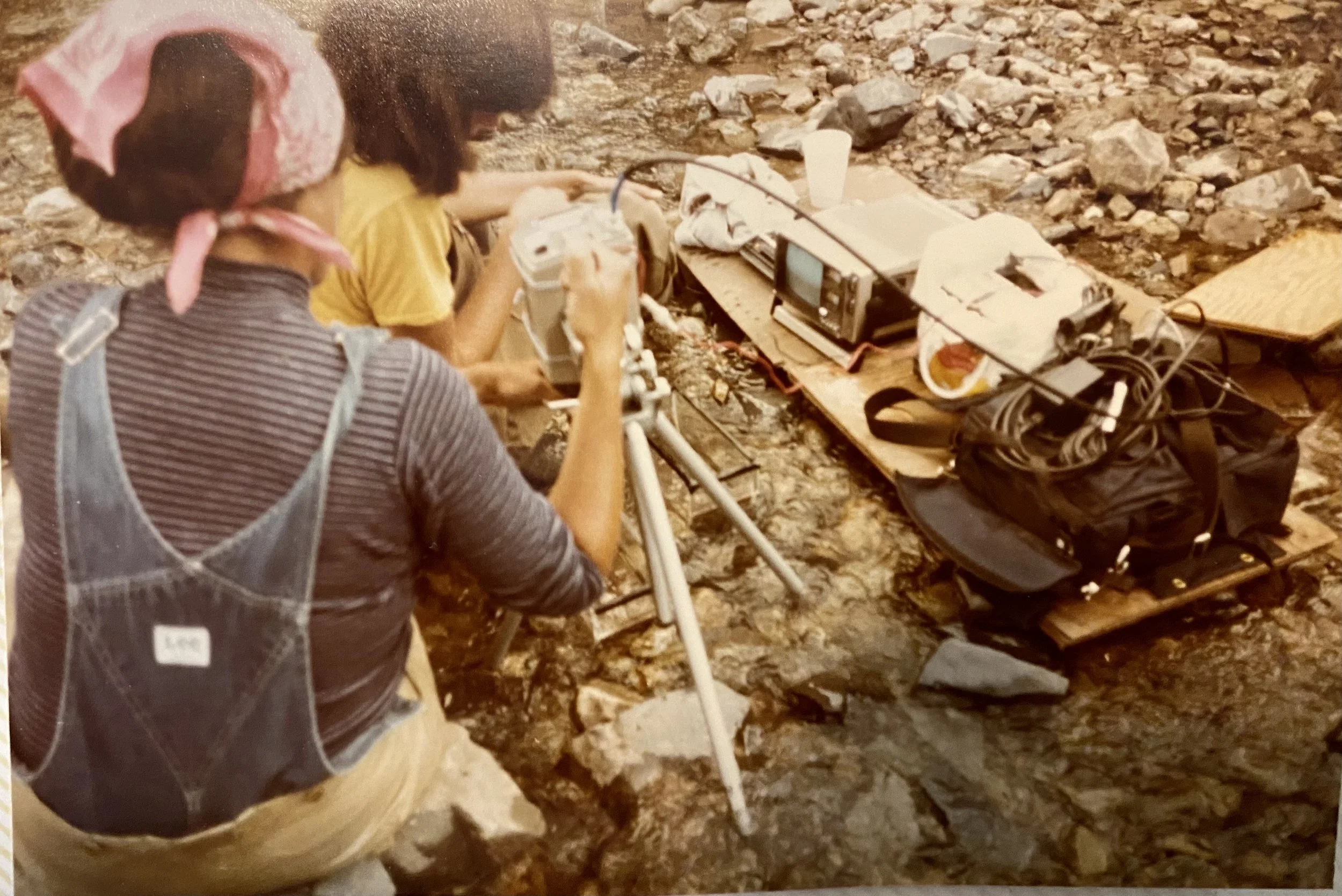
Scottie didn’t stop with legal protections. She designed an innovative protocol to monitor aquatic invertebrates as indicators of river quality, sampling eight headwater stream sites twice each summer. This long-term monitoring program has produced critical evidence of stream ecosystem health and change.
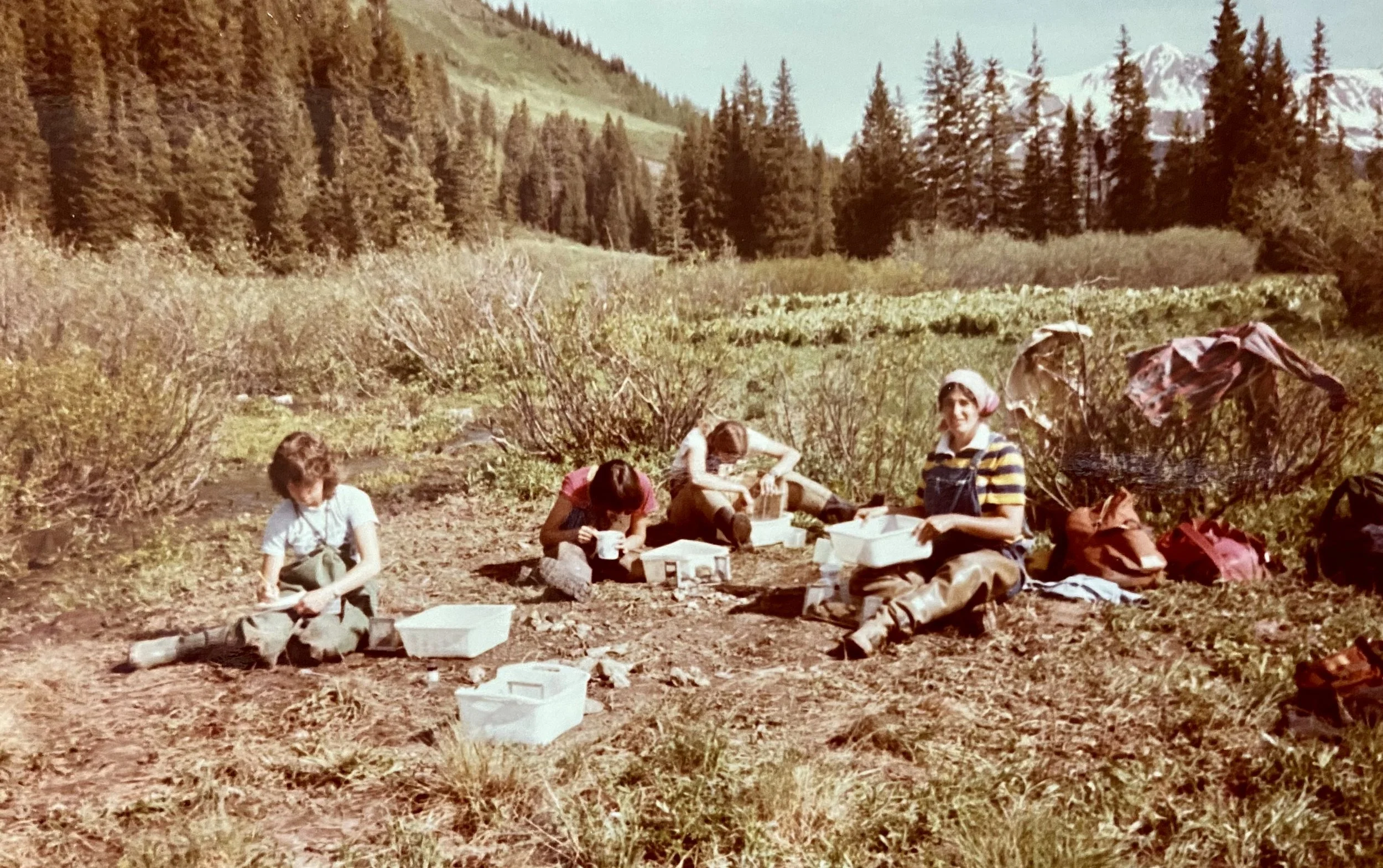
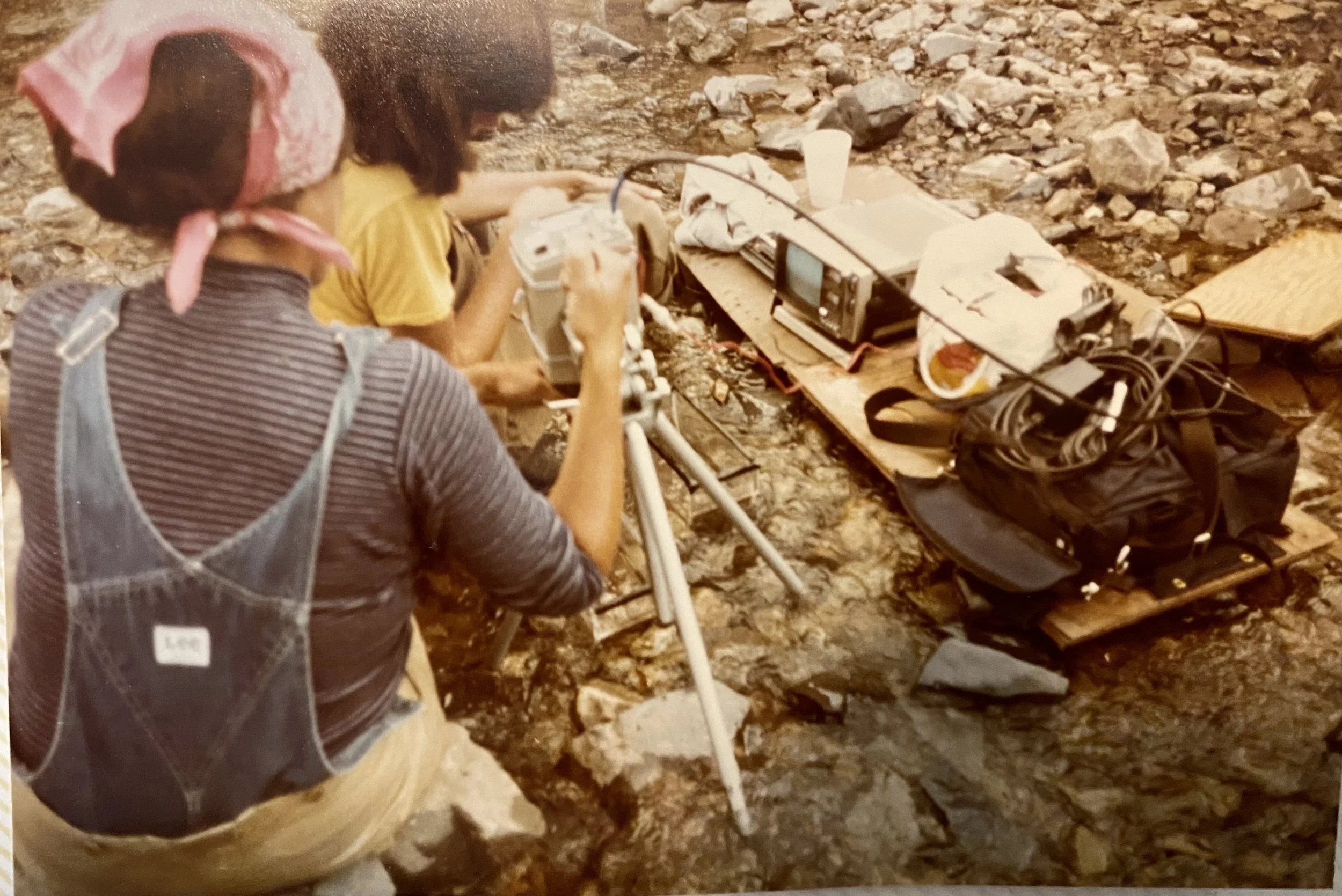
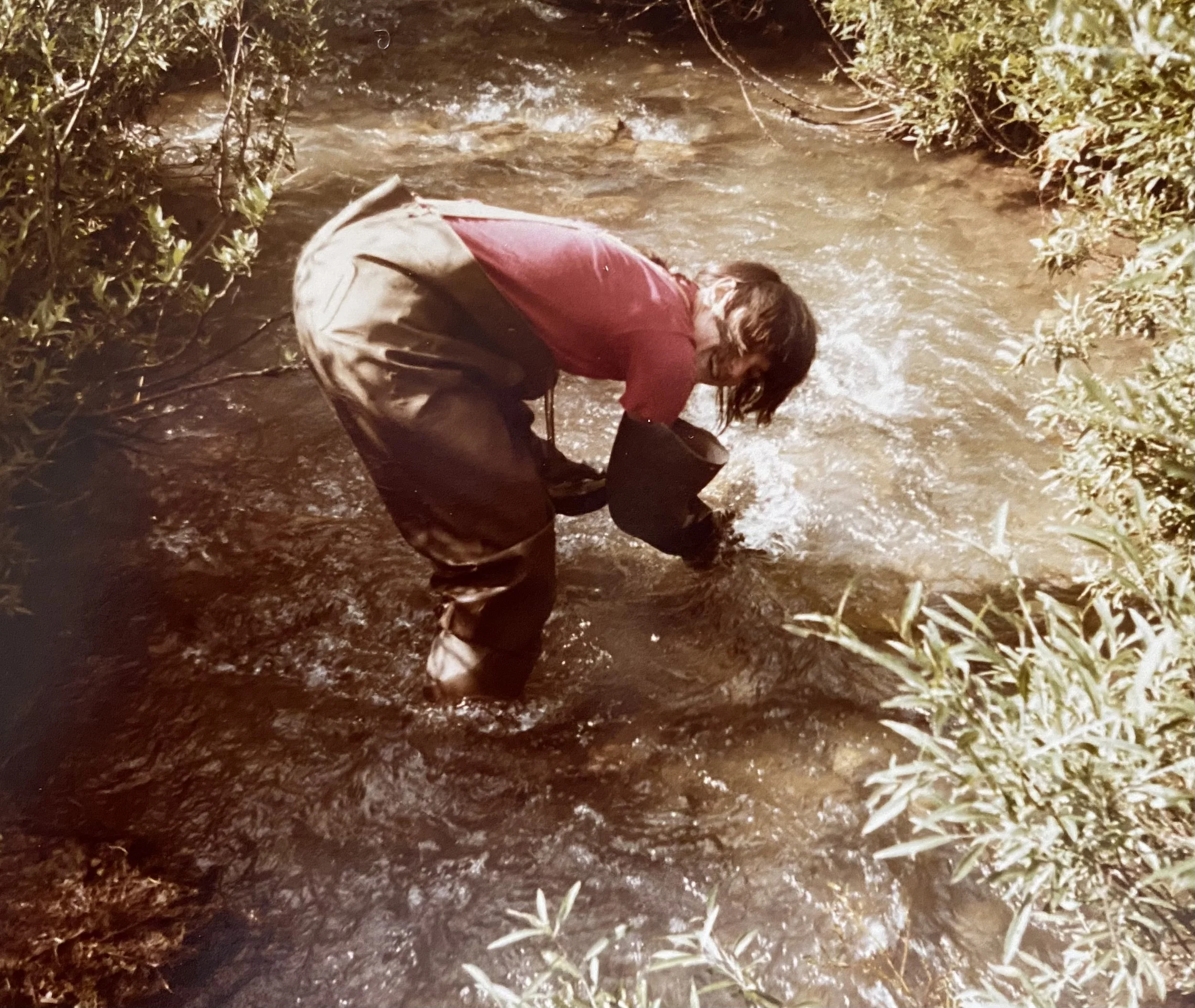
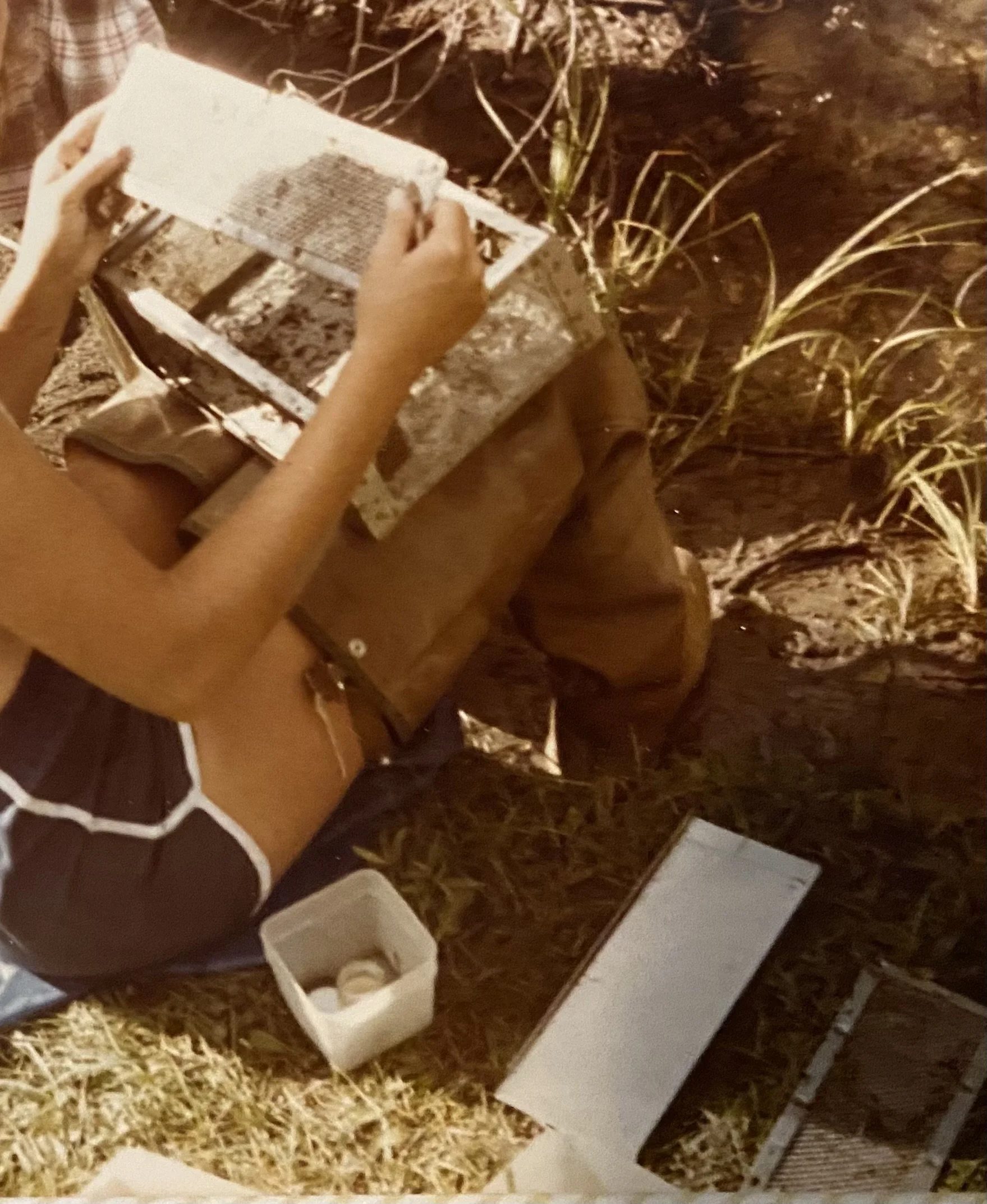
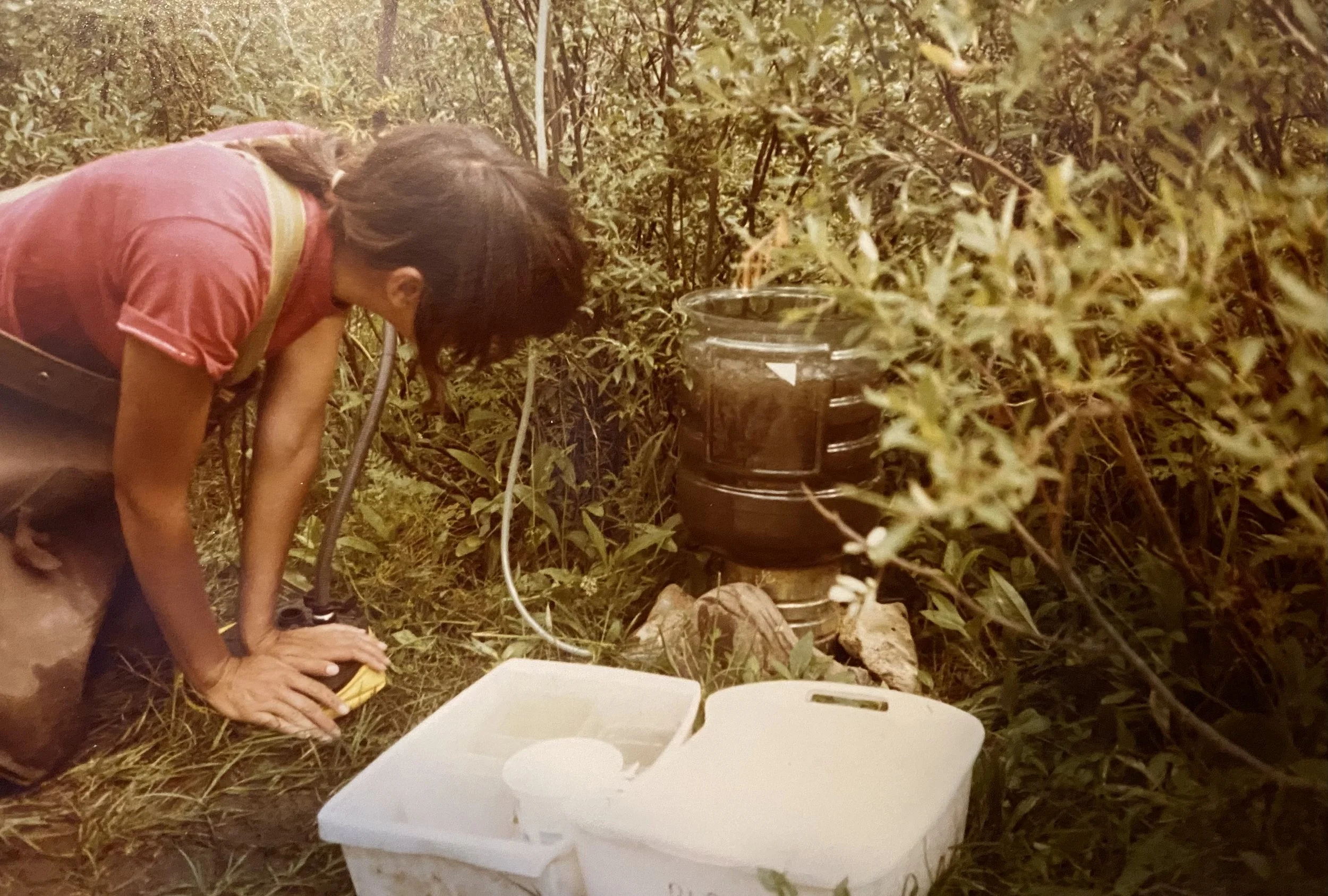
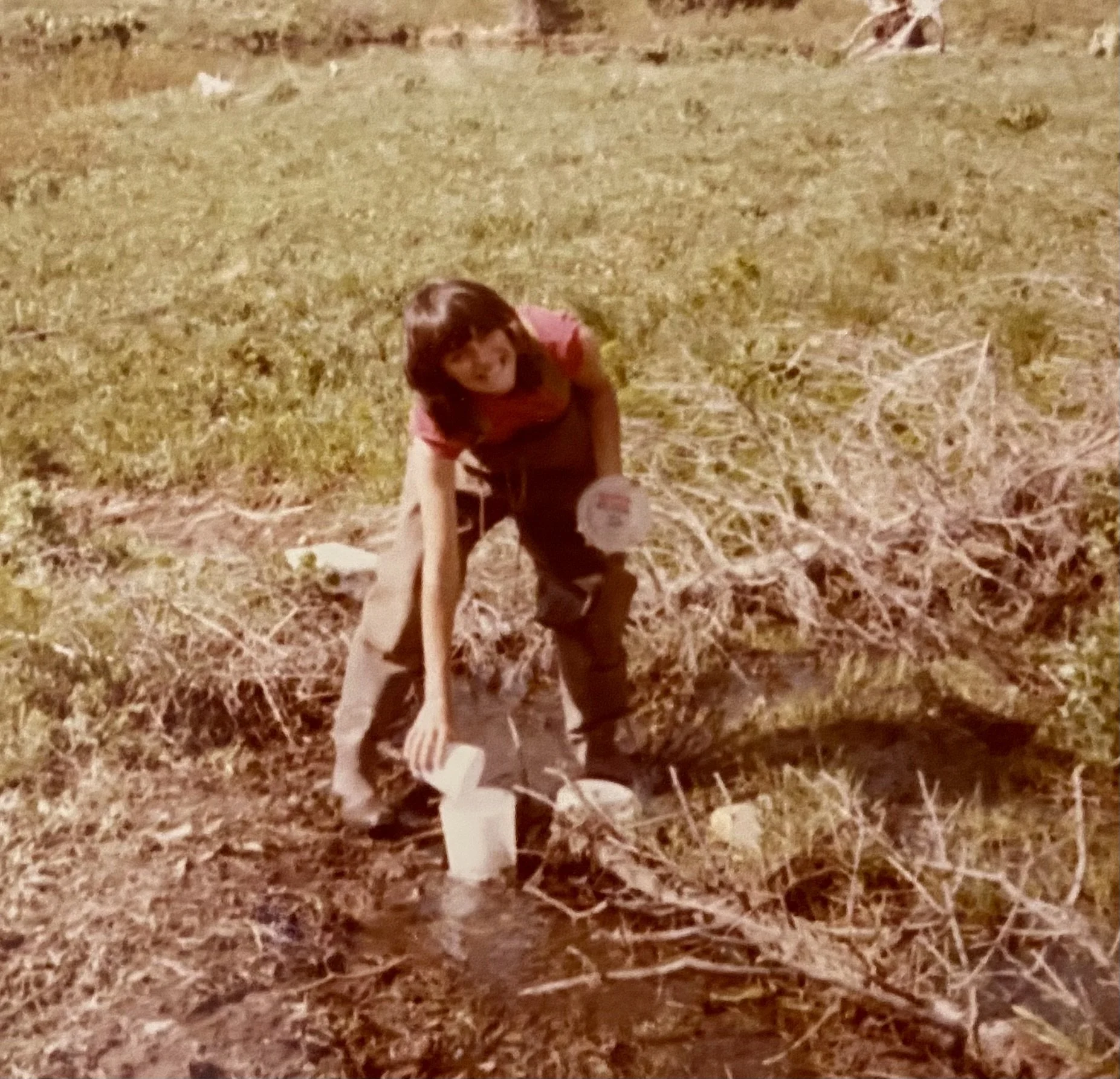
In 1976, a new generation of scientists joined the effort. Bobbi Peckarsky, then a first-year graduate student, began sampling alongside Scottie’s team. This marked the beginning of the Benthettes, a community of scientists whose work continues today through Rocky Mountain Rivers.
The Benthettes’ dataset is believed to be among the longest ongoing stream invertebrate datasets in the world, offering invaluable insight into climate change and the stewardship of the headwaters of the Colorado River that flow through RMBL.
Flowing Forward
The story of Rocky Mountain Rivers has always been about courage, curiosity, and commitment to place. What began with one woman standing in front of a bulldozer has become a multigenerational effort to protect water through science.
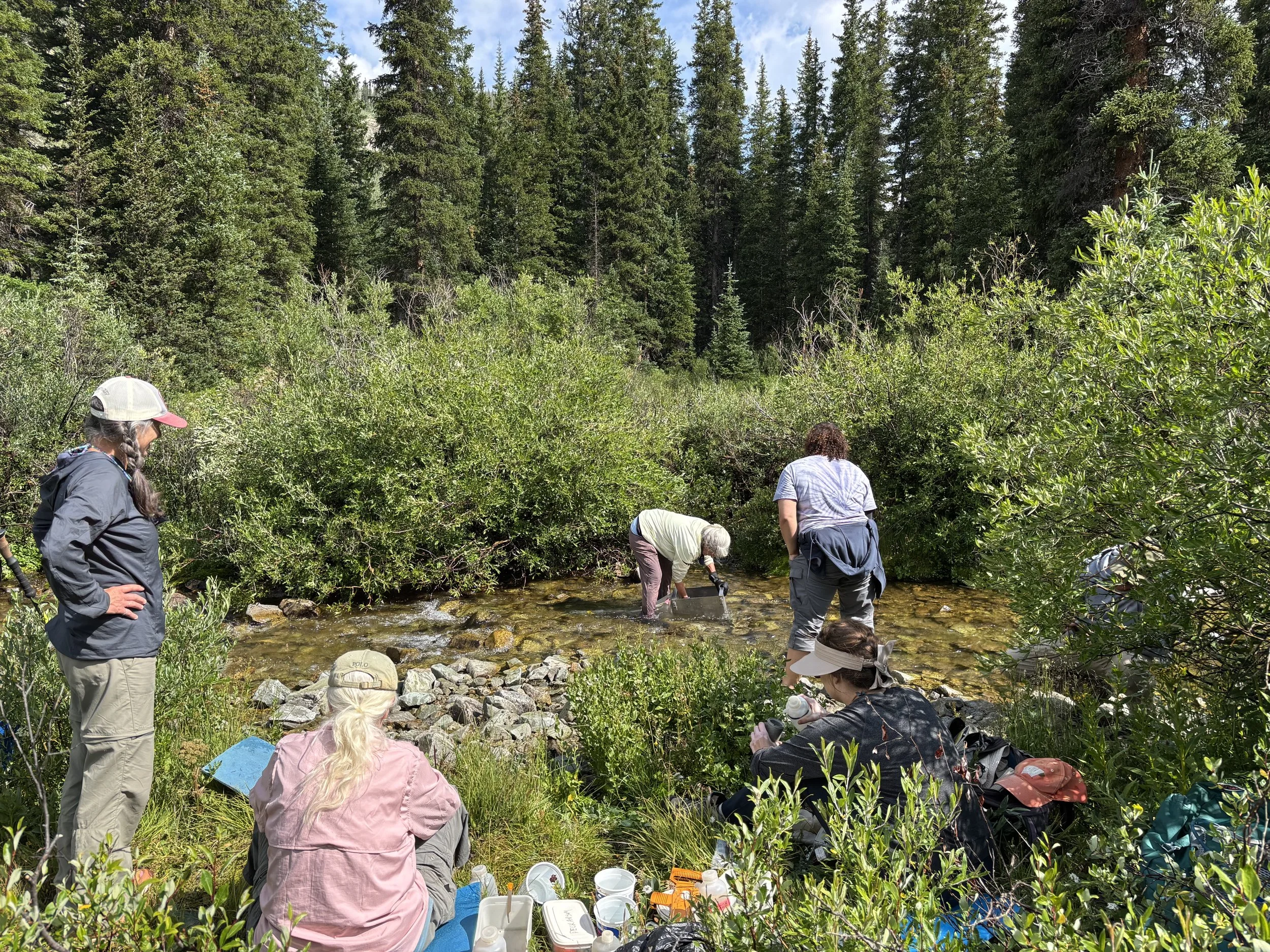
Looking ahead, our mission remains both steady and urgent. Climate change, shifting snowpack, drought, and emerging ecological stressors are reshaping headwater systems across the Western US. Long-term data like ours, which are rare, are now essential. Rocky Mountain Rivers was created to expand and strengthen our monitoring efforts and ensure that our dataset remains a living record of change in the Upper East River Valley.
We are also investing in people. By teaching students, mentoring early-career scientists, and welcoming community into the work, we are cultivating the next generation of watershed stewards. Just as Scottie, Bobbi, and the Benthettes built a foundation for us, we are building one for those who will stand along these streams decades from now.