Our Work
For 50 years our data have been essential to sustaining headwaters of the Colorado River, advancing stream science, and equipping communities to inspire stewardship across generations.
HOW ARE WE ADVANCING STREAM SCIENCE AND STEWARDSHIP?
CURIOSITY becomes DISCOVERY
At Rocky Mountain Rivers, discovery begins with curiosity: What’s living in these streams? How are they changing over time? What stories can tiny aquatic creatures tell us about the health of an entire watershed?
-
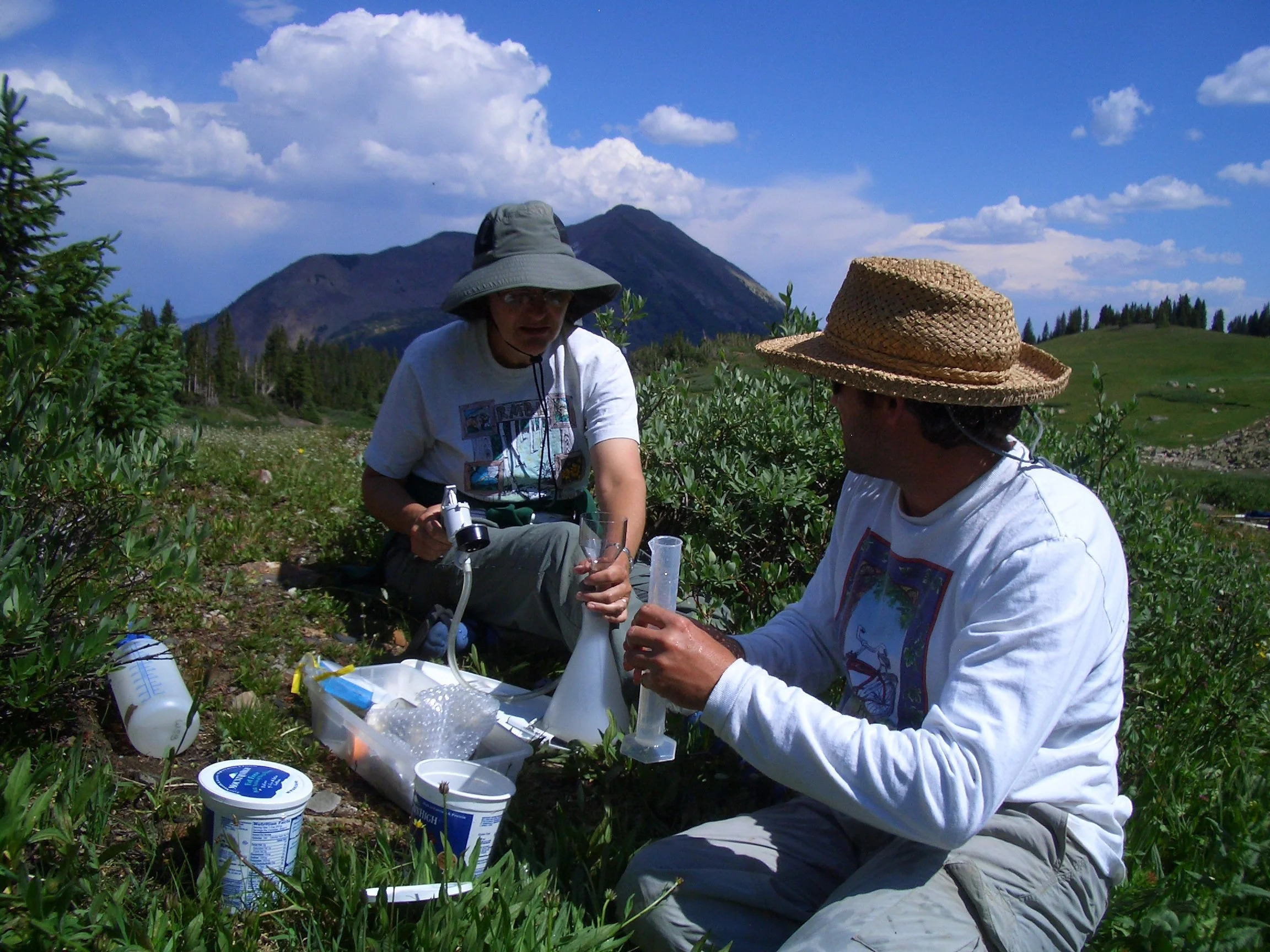
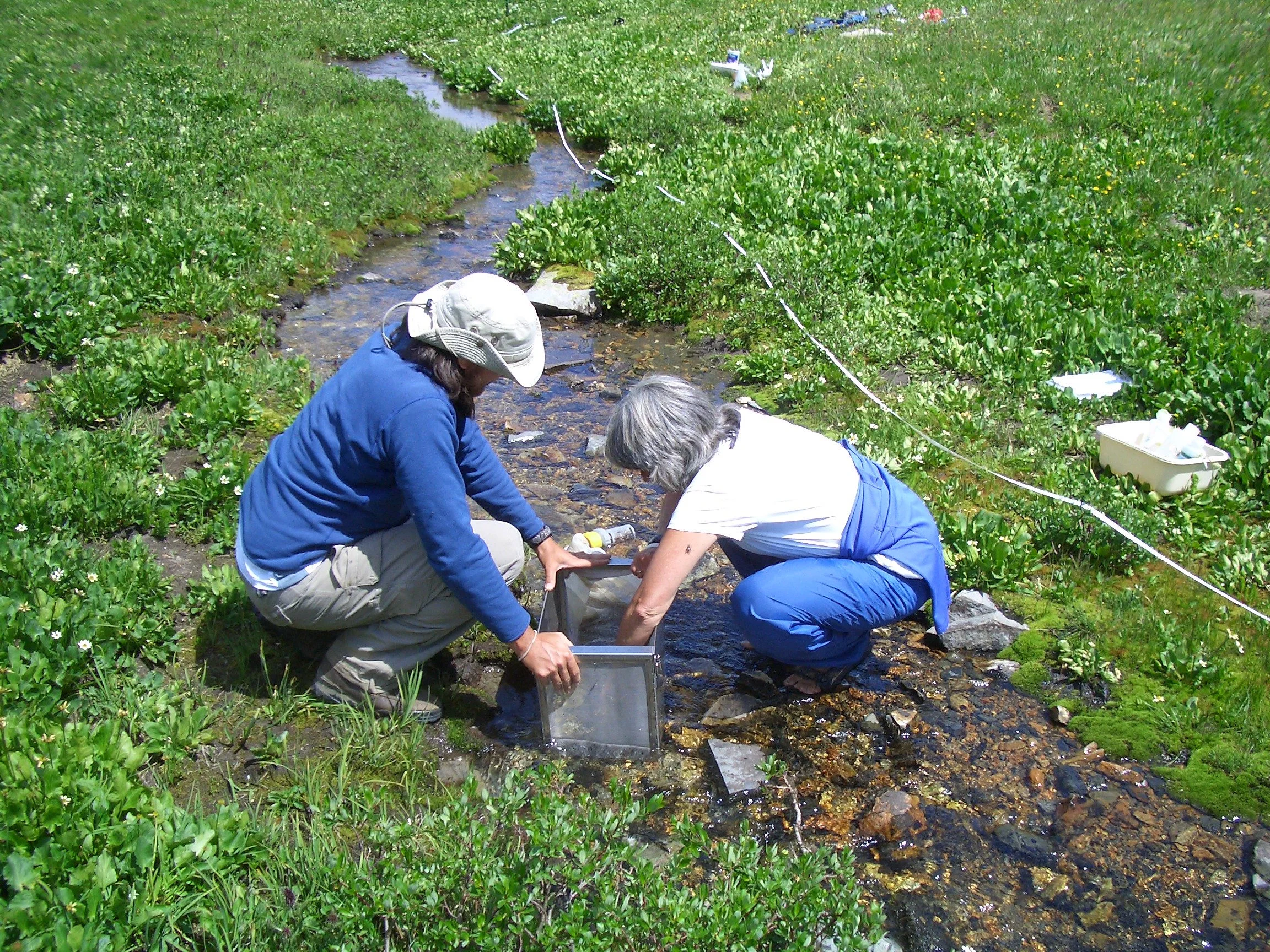
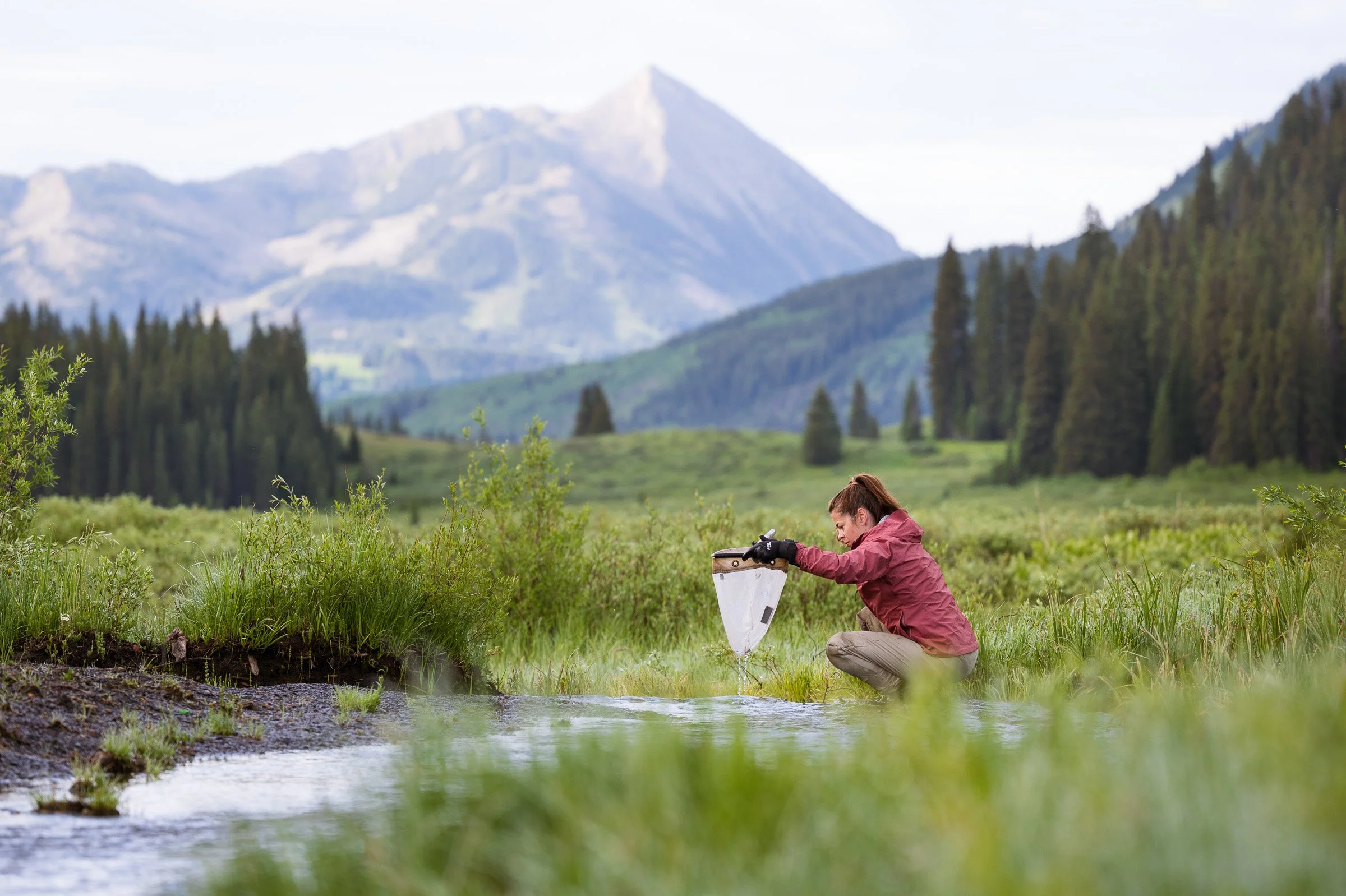
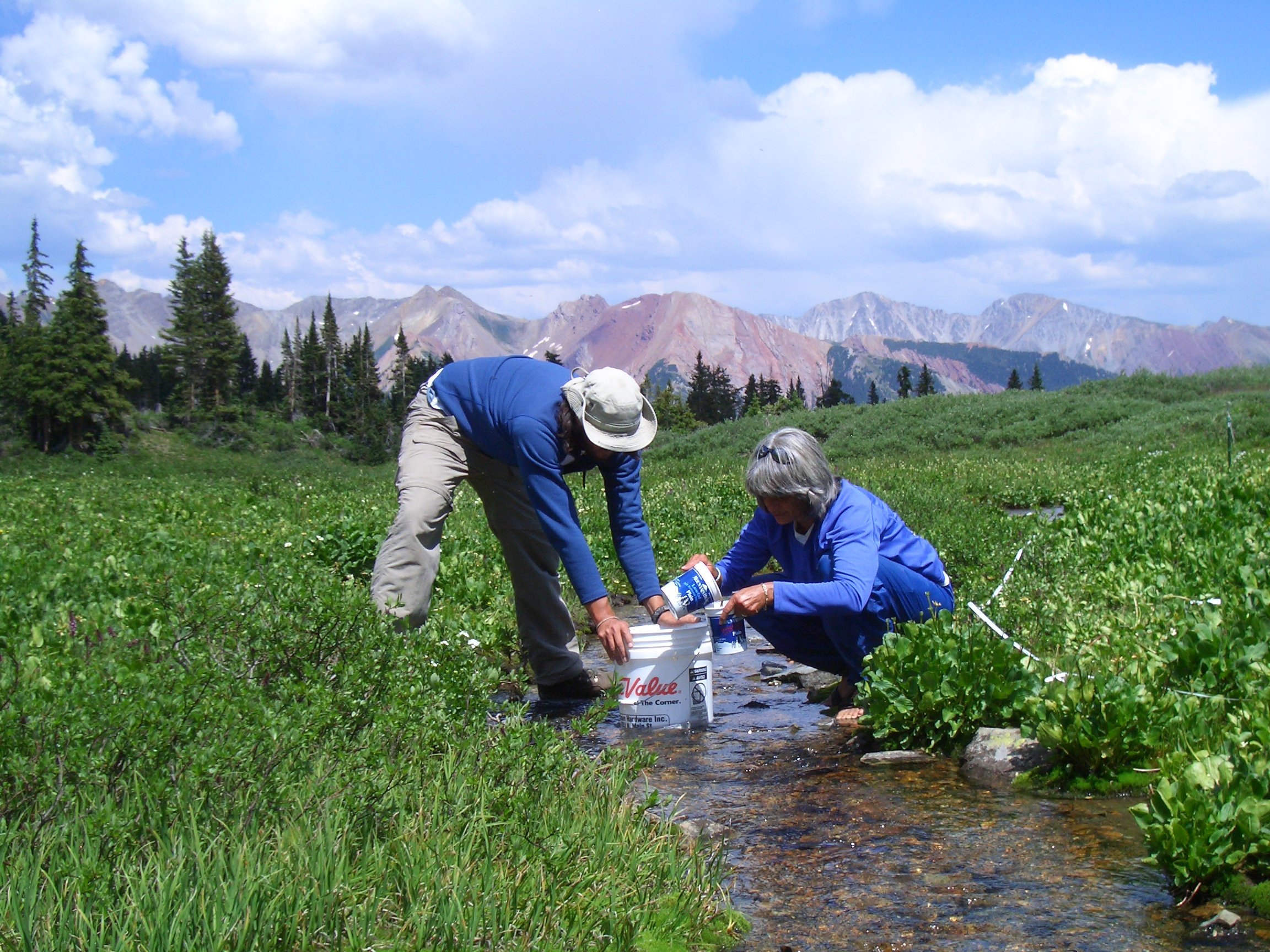
Over decades of fieldwork, our team has developed and refined rigorous methods for assessing stream health using aquatic invertebrates as biological indicators. Surveys integrate quantitative biodiversity sampling with measurements of temperature, light, hydrology, conductivity, and nuisance algae such as Didymo. We do this at two key time points each summer to account for changes within the season. This combination of biological, physical, and temporal data provides a complete and sensitive assessment of stream health. We work with state agencies and regional partners to translate these approaches into consistent, reliable monitoring protocols that can be applied beyond our study sites—supporting river stewardship and decision-making across the Colorado River Basin.
-
Our scientists and collaborators track biodiversity and stream conditions in the Colorado River headwaters near the Rocky Mountain Biological Laboratory (RMBL). Since 1976, we have surveyed eight high-elevation streams twice each summer, documenting aquatic macroinvertebrate communities alongside key environmental conditions.
This long-term dataset—the longest-running of its kind in the world—allows us to observe how mountain streams are changing over time. By working in relatively pristine headwaters, we establish a baseline for understanding the impacts of climate change, land use, and other emerging pressures across the broader Colorado River Basin. Our work also supports the protection of In-Stream Flow Rights, helping ensure that water remains in rivers to sustain the ecosystems that depend on it.
DISCOVERY becomes CONSERVATION
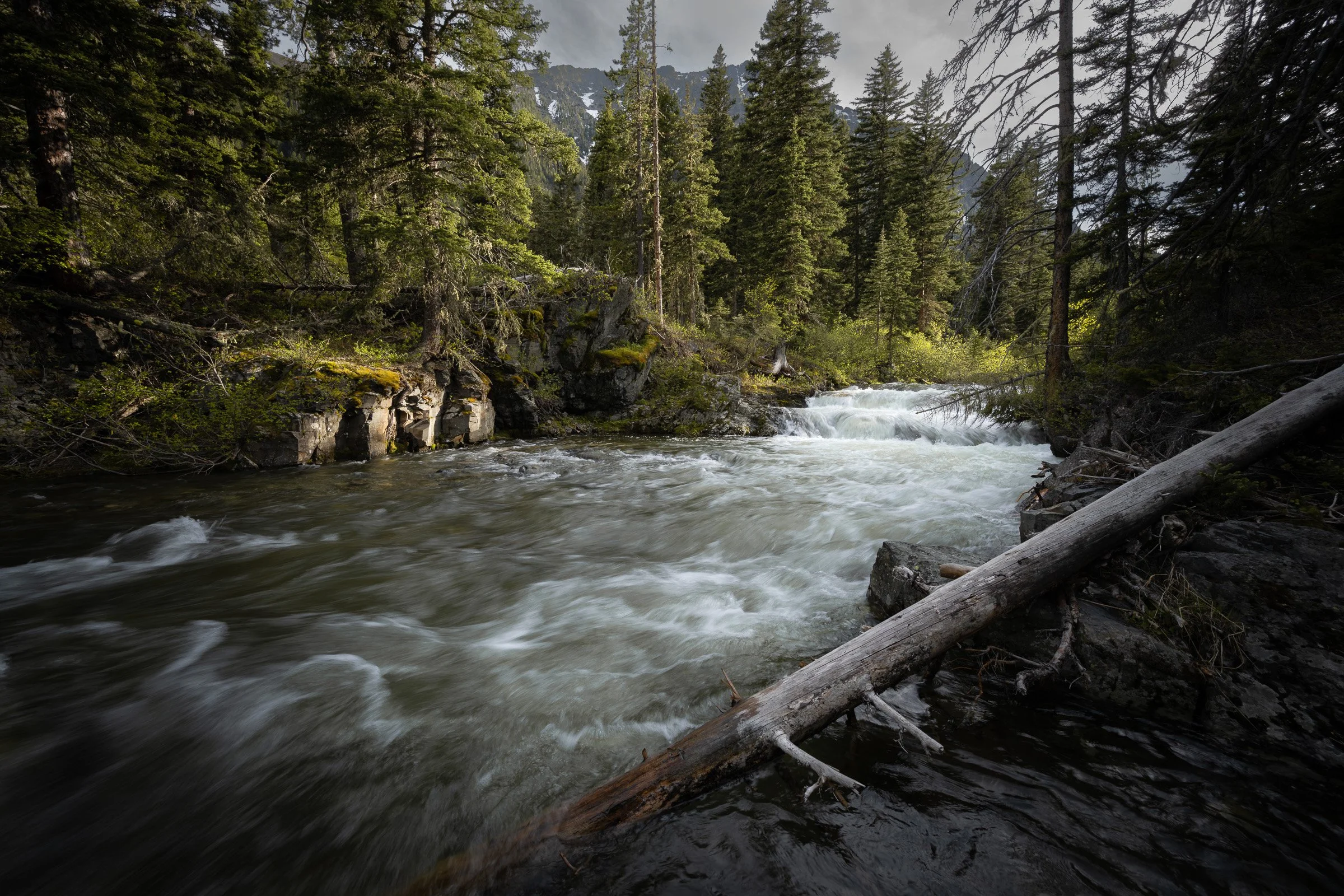
For decades data collected by the Benthettes, now supported by Rocky Mountain Rivers, have helped secure in-stream flow rights for Colorado River headwaters. In an increasingly water-scarce region, our science is essential to protecting flows that sustains ecosystems, wildlife, and communities.
-
We seek to engage with developers, ranchers, and mining companies, whose activities impact river quality, which is crucial not only for our scientific work, but for the ecosystem and downstream communities. Insights from our data inform sustainable practices balancing economic needs with environmental protection. Through collaborations with other stakeholders we advocate for responsible land use and policies that protect Rocky Mountain rivers.
-
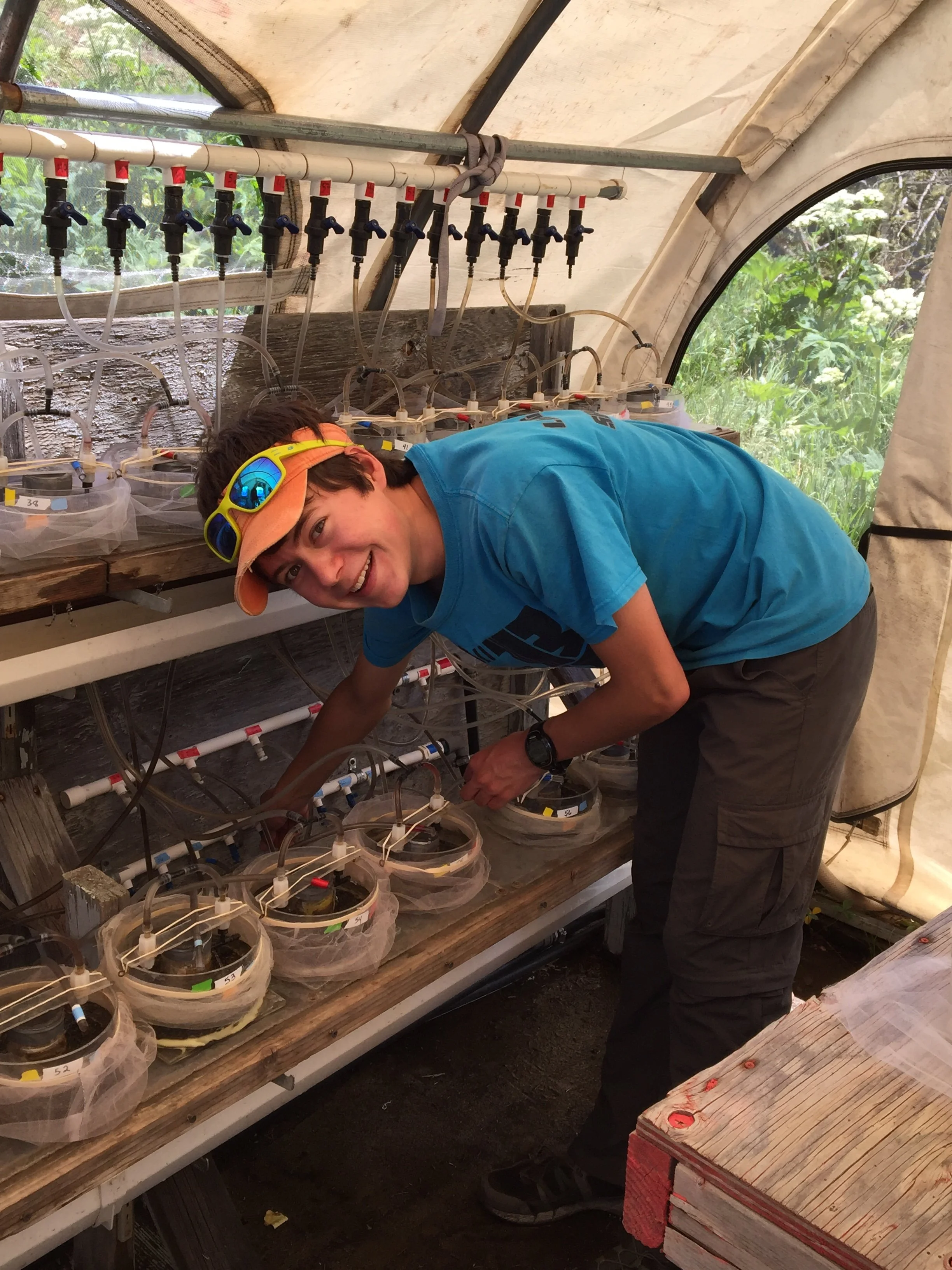
Our scientists mentor graduate, undergraduate, high school, and middle school students through hands-on research tied to our long-term river studies. This work builds pathways into aquatic ecology and water management, especially for students historically underrepresented in environmental science, while grounding learning in real-world conservation.
But the impact reaches far beyond career tracks. Whether students go on to science, policy, education, or entirely different fields, they carry forward a lasting sense of curiosity, responsibility, and stewardship. By connecting discovery to action, we’re not just training scientists; we’re cultivating lifelong advocates for healthy rivers.
CONSERVATION becomes COMMUNITY
At Rocky Mountain Rivers, a shared love becomes a shared cause. Through this work we have built a true community, one sustained by a virtuous cycle in which conservation fuels connection, and connection strengthens conservation.
-
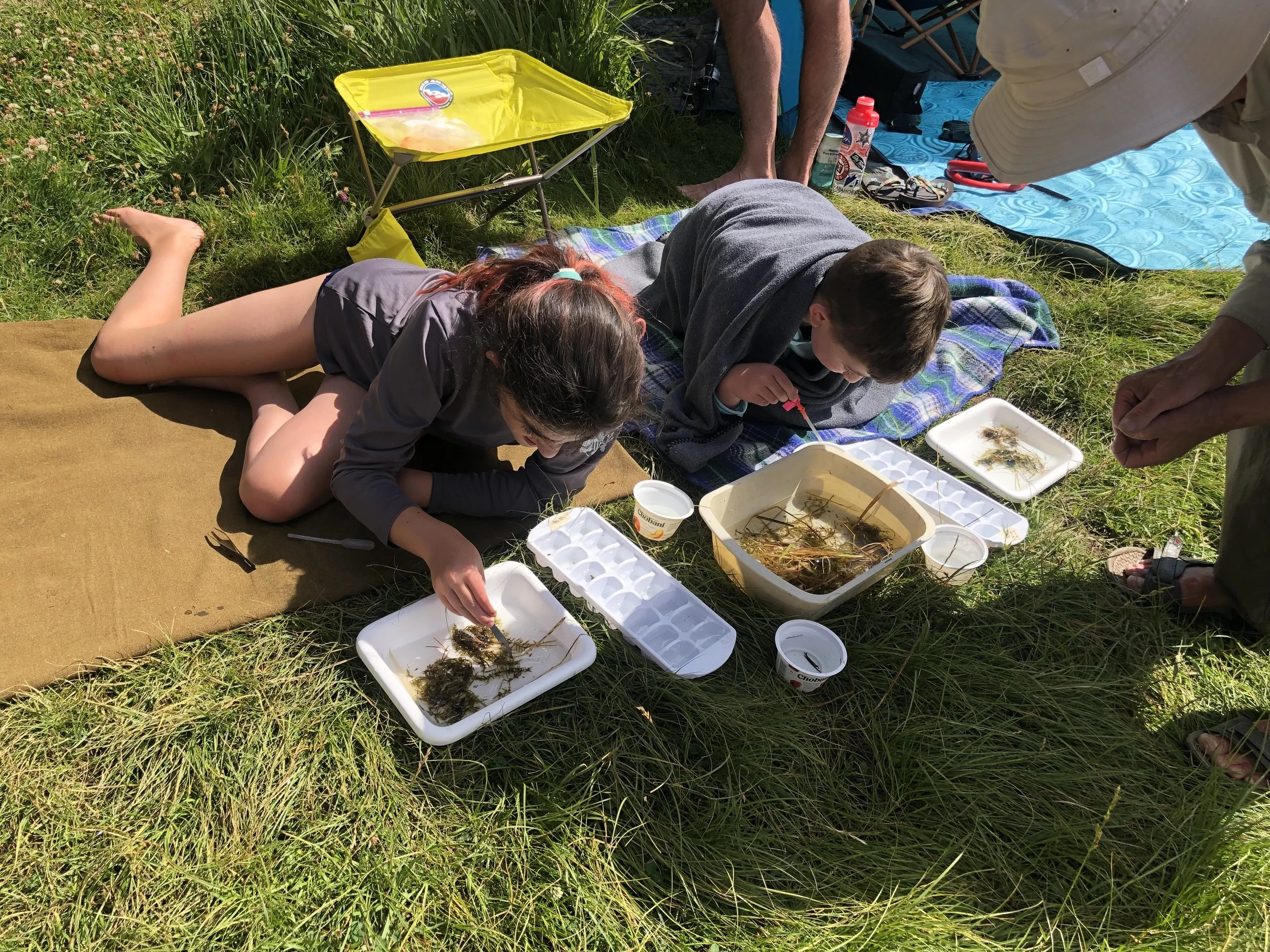
We engage community members—including educators, outdoor guides, fly fishers, landowners, and recreational users—to connect more deeply with the rivers they depend on. Through workshops and hands-on programs, we explore how rivers function, how environmental change is reshaping them, and how communities can develop the capacity to steward them. These programs currently operate in Gunnison County, CO, in partnership with the Rocky Mountain Biological Laboratory.
-
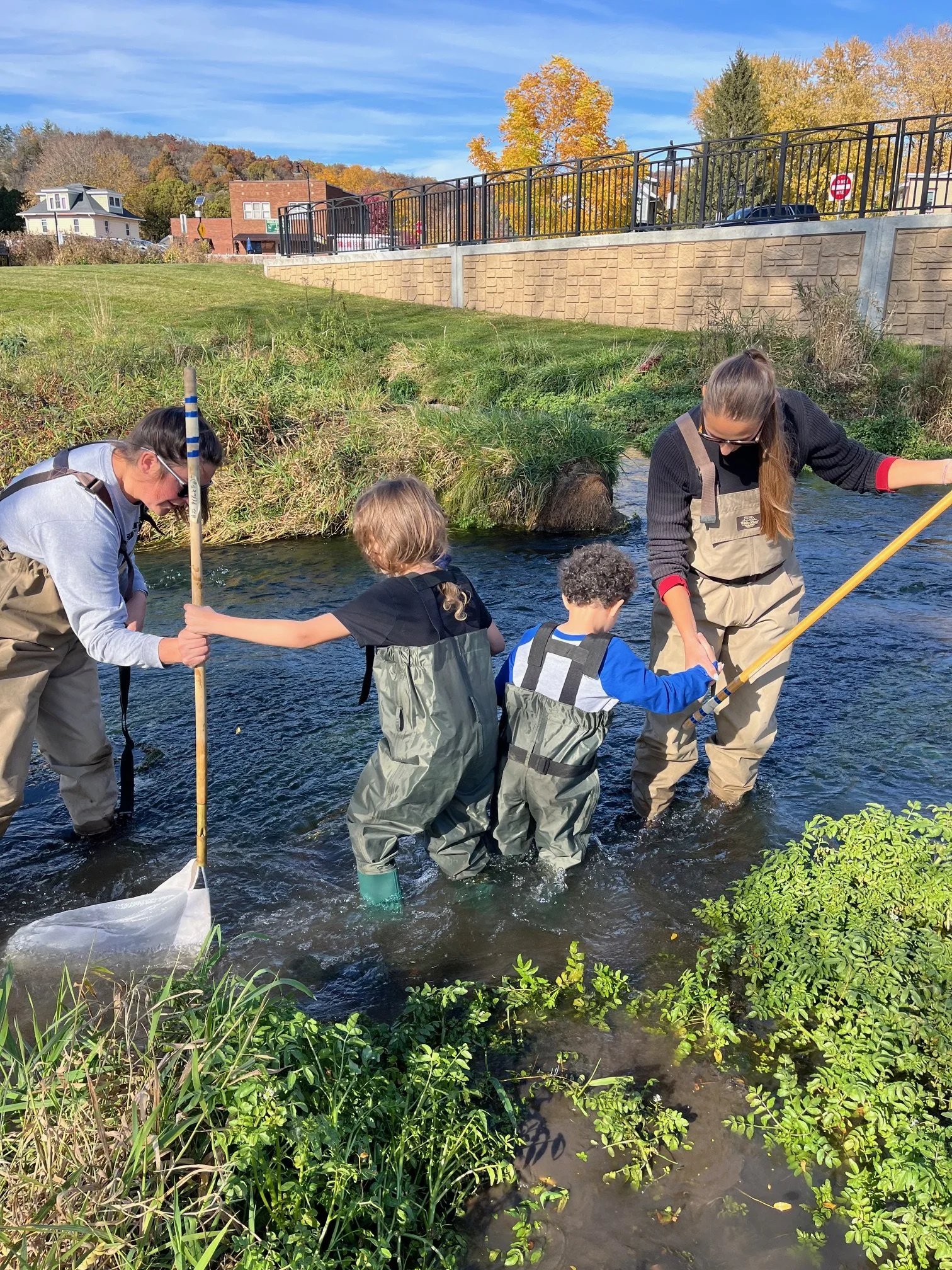
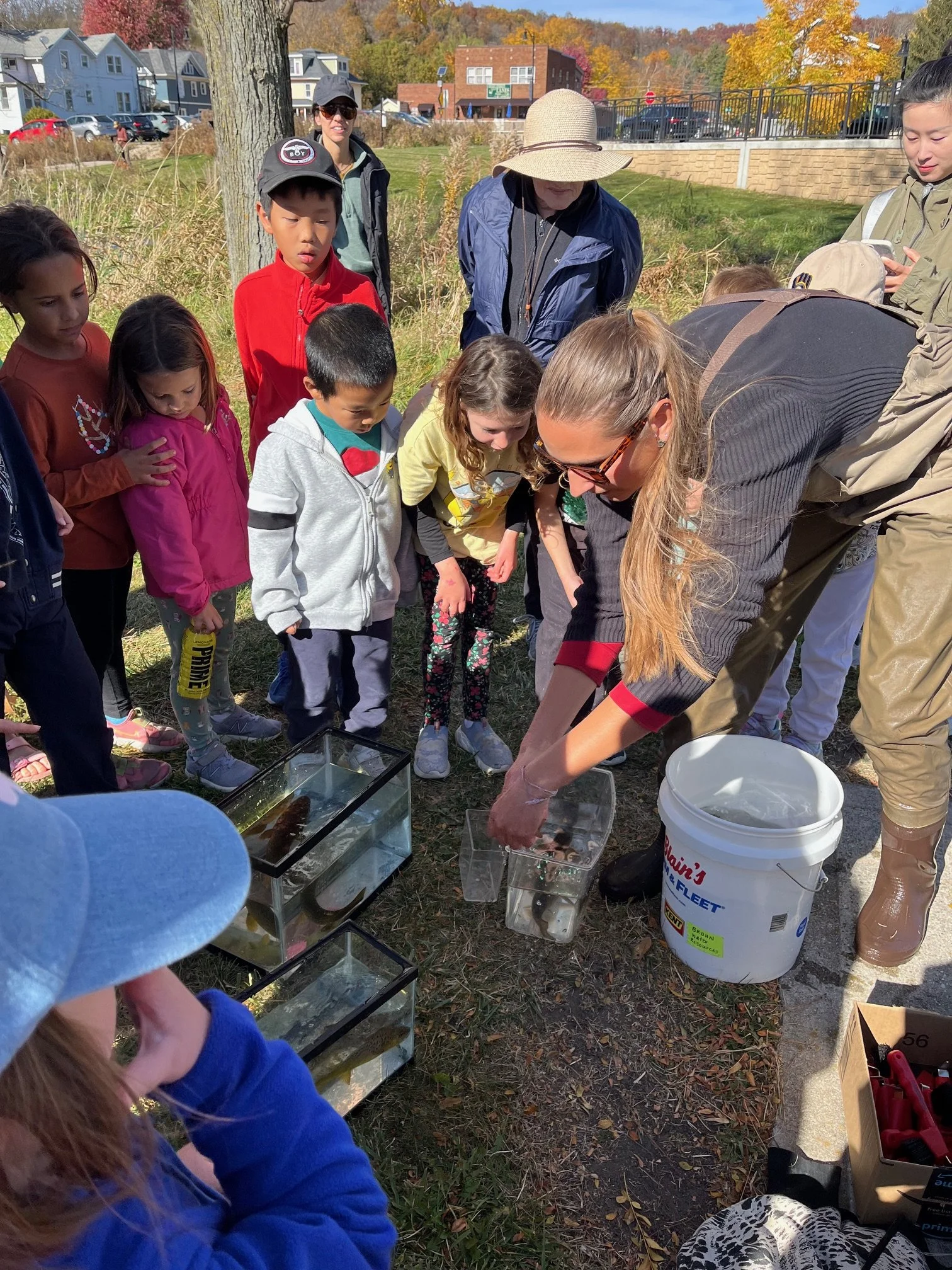
We engage K–12 students in river science and conservation through hands-on programs that inspire curiosity and connection. We believe effective conservation begins early—by helping students understand how rivers function, how they are changing, and how they can play a role in protecting them.
Thriving rivers begin with curious minds, grow through informed communities, and endure through bold action.