What Are Non-Consumptive Water Rights?
And why do they matter?
RMR AND WATER RIGHTS
The non-consumptive water rights (also called in-stream flow rights) held by the Rocky Mountain Biological Laboratory, and strengthened by decades of scientific work now carried forward by Rocky Mountain Rivers, offer a compelling example of how flow protections can succeed outside of state control alone.
What Are Water Rights?
Water rights are legal permissions that allow people or organizations to use a specific amount of water from a river, lake, or underground source for purposes such as agriculture, industry, or household needs. These rights work a bit like property rights—but importantly, people don’t own the water itself, only the right to use a defined quantity of it.
A Turning Point: Colorado’s In-Stream Flows Act
In 1973, Colorado changed how water rights could be defined by passing the In-Stream Flows Act (Senate Bill 97). This law gave the Colorado Water Conservation Board (CWCB) the power to protect water by granting rights that keep water in streams rather than diverting and consuming it elsewhere. The goal was to maintain enough flowing water to sustain fish and the ecosystems they depend on, while balancing competing demands for water use.
Keeping Water in the River: What In-Stream Flow Rights Do
The In-Stream Flows Act marked a major shift in how water could be valued. For the first time, conserving water within streams for ecological (in contrast to agricultural or industrial) purposes was legally recognized. These protections are called “in-stream flow” (ISF) rights, also referred to as “non-consumptive water rights” because the right is granted to keep water in the system, not to remove it.
The law also gave the CWCB tools to respond in times of stress, such as drought. If a river is being overused, the CWCB can buy existing water rights from willing sellers and convert them to in-stream flow rights. This provision helps ensure that rivers continue to flow when the need to conserve water is most urgent.
A Unique Case: Rocky Mountain Rivers and RMBL’s In-Stream Flow Rights
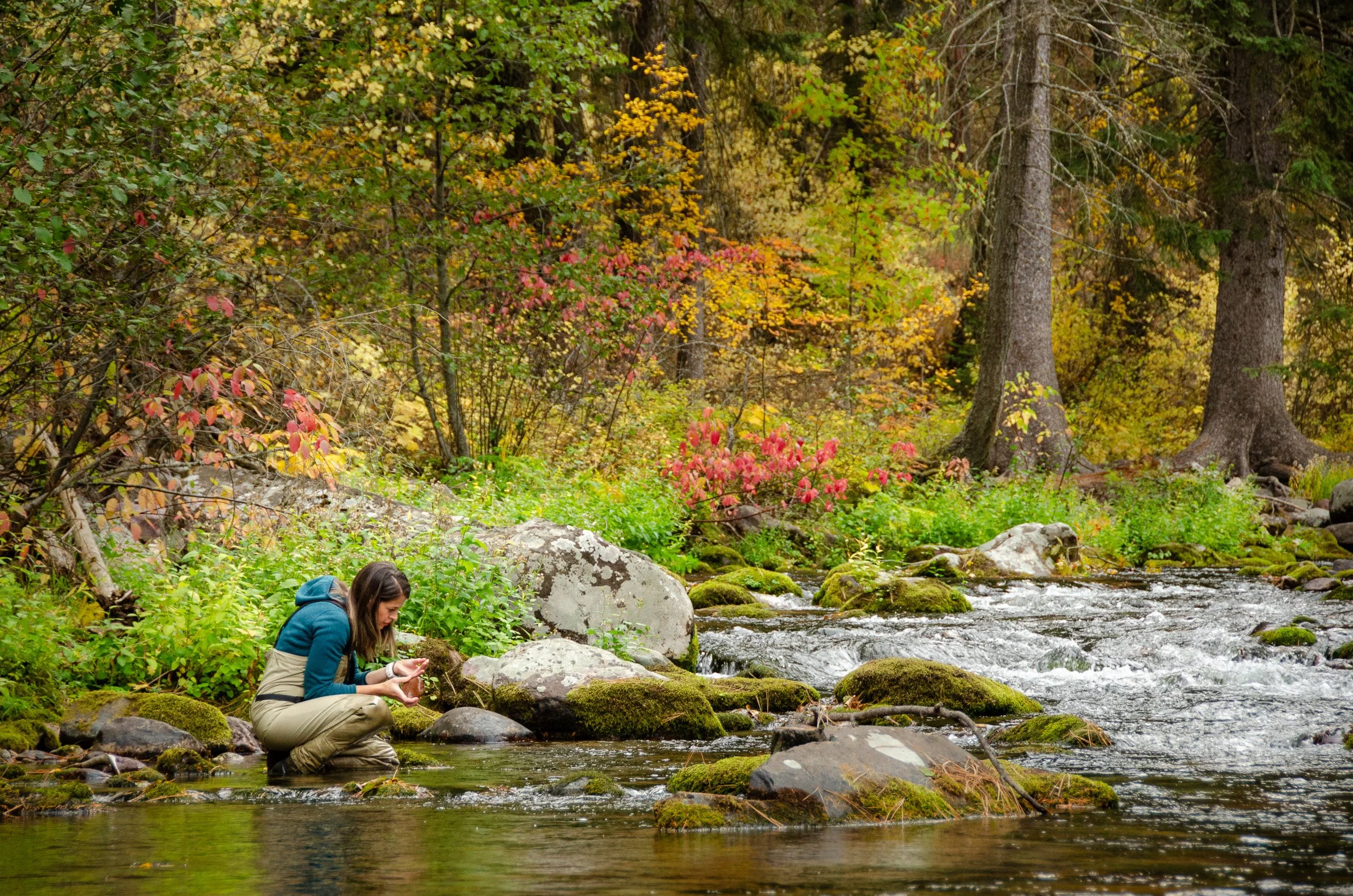
Soon after the law was passed, Gunnison County lawyer Pete Klingsmith, along with scientists Dr. Scottie Willey and Dr. Bob Willey at the Rocky Mountain Biological Laboratory (RMBL), applied for in-stream flow water rights on several streams near the Lab. In the ISF applications Klingsmith submitted on behalf of RMBL, nine sites were listed, among which are the sampling sites Rocky Mountain Rivers maintains today. These rights, granted in 1973, were extraordinary for several reasons, and remain unprecedented in Colorado water law even today.
Why are these water rights unprecedented?
-
Most in-stream flow rights are justified for purposes such as fish habitat or recreation. In this case, the court recognized that RMBL’s research and educational mission depended directly on maintaining natural streamflows. The decrees specify that the historical flows must be “free of pollutants and undiminished in quantity and quality.” The RMBL claims were inherently non-consumptive and listed beneficial uses including scientific research, biological studies, fish habitat, recreation, and preservation of natural heritage—an unusually broad and forward-thinking set of justifications, still largely unmatched in Colorado’s water rights system.
-
These rights were granted to a private research institution rather than a state agency—contrary to the original intent of the state and the Colorado Water Conservation Board, which sought direct control of all in-stream flow rights it granted. Subsequently (in 1979) Colorado amended the statute in 1979 to ensure that only the CWCB could hold new in-stream flow rights going forward.
-
Beginning in 1976, Scottie Willey designed a monitoring protocol to track macroinvertebrates and key environmental variables at eight sites across three protected streams. Those data have been collected annually ever since, and serve as an early warning system for environmental changes that could threaten the conditions protected by the original 1973 decree. Continuing this scientific record and ensuring that it benefits protected headwaters is a central part of Rocky Mountain Rivers’ mission.
Legal Challenges and Court Victories Strengthened by Science
Aside from an early challenge by the U.S. Forest Service in 1978, these rights remained largely uncontested until the 1990s, when growing demand for water along Colorado’s Front Range increased pressure to divert water from the western side of Continental Divide.
Arapahoe County applied for water rights on the same streams protected by RMBL’s claim, directly challenging the legality of these private, non-consumptive water rights. The dispute went to court twice and, in both cases, the courts upheld RMBL’s rights to retain in-stream flows.
These court rulings helped solidify the legitimacy of the Rocky Mountain Biological Laboratory’s private in-stream flow rights and protected these streams at a time when pressure to divert water was increasing. To this day, there are only three other locations in Colorado with similar private in-stream flow rights.
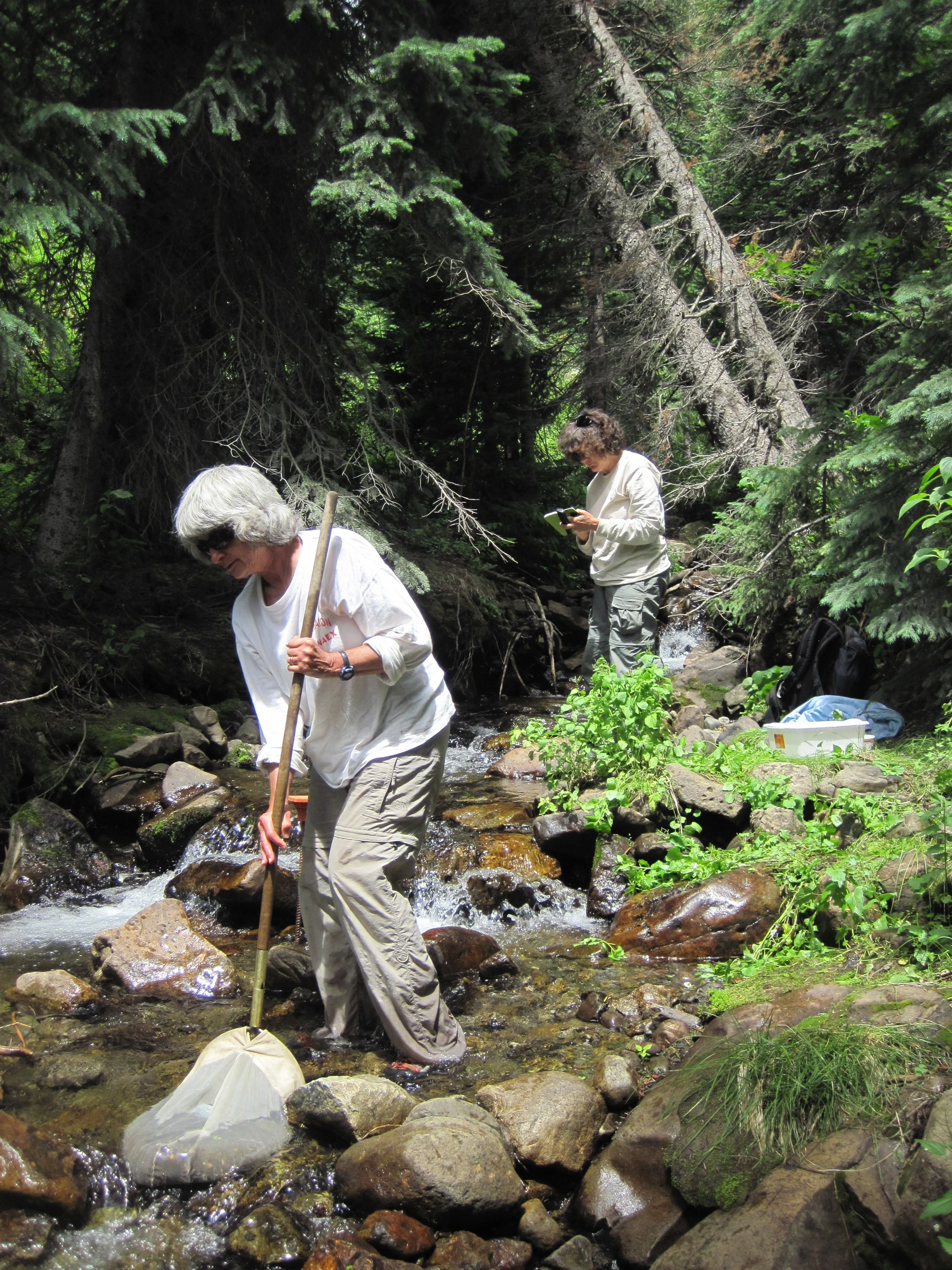
A key reason these water rights have endured is the explicit recognition of scientific research in the original decrees, combined with decades of ongoing ecological investigation and monitoring by scientists affiliated with Rocky Mountain Rivers. By formally recognizing the importance of long-term research, the courts reinforced the strength and validity of these in-stream flow rights, making future legal challenges far less likely.
Why do these rights still matter today?
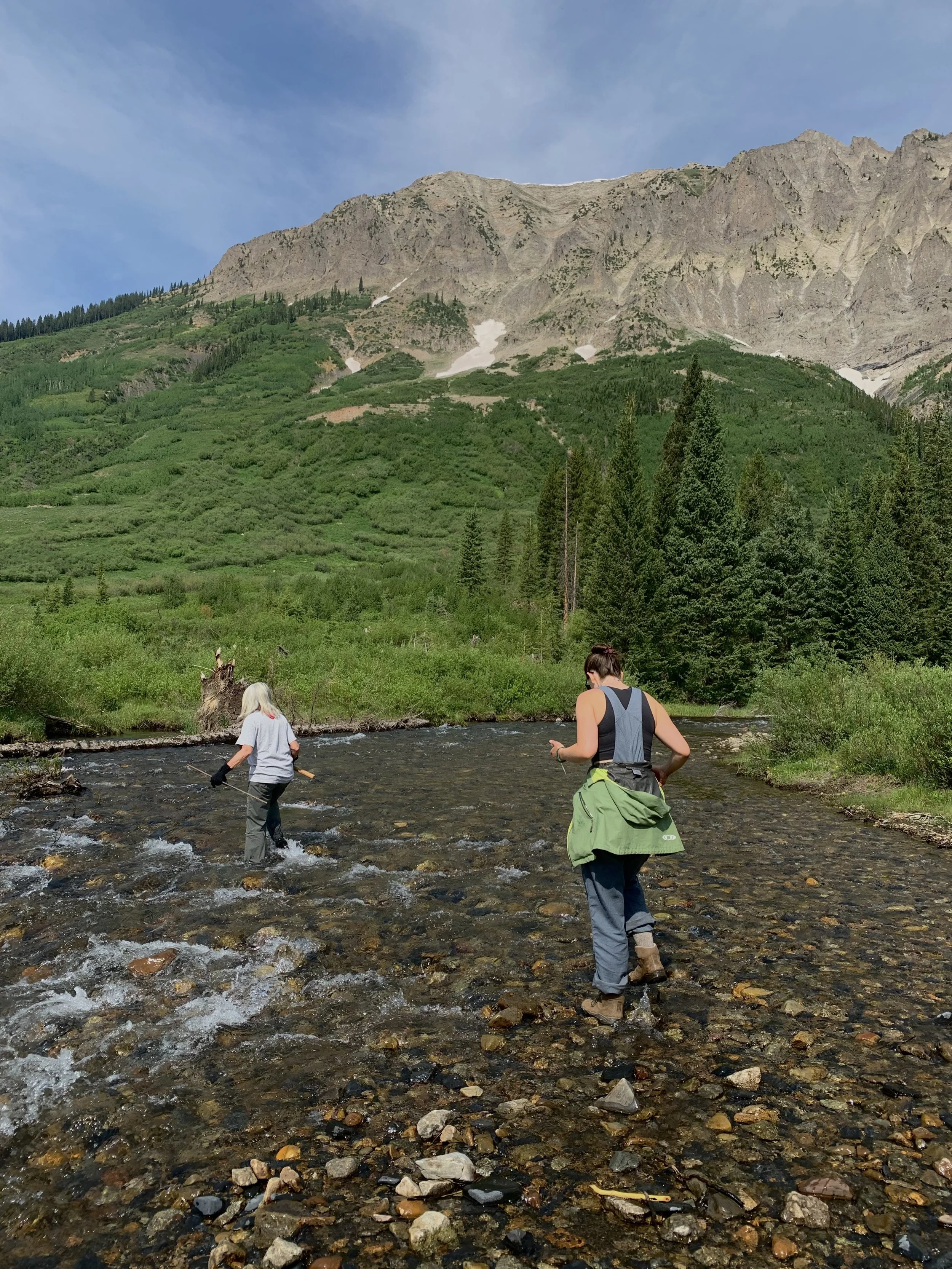
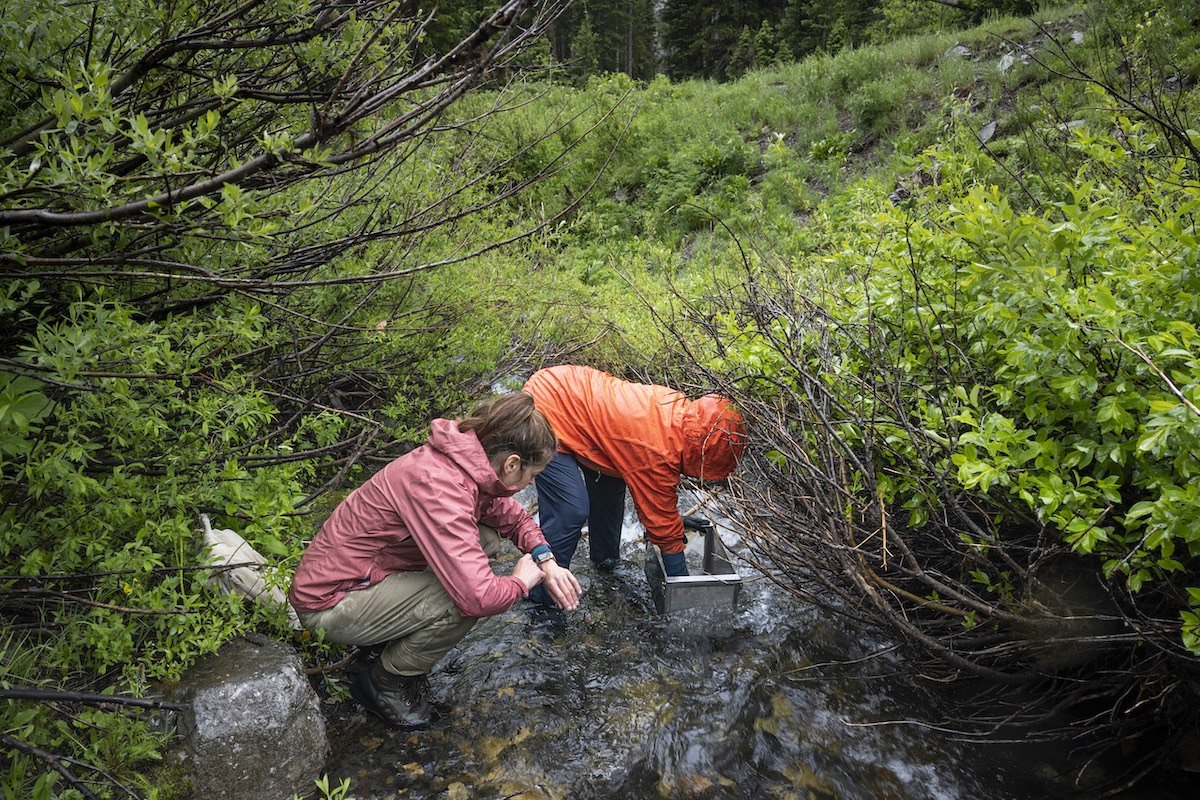
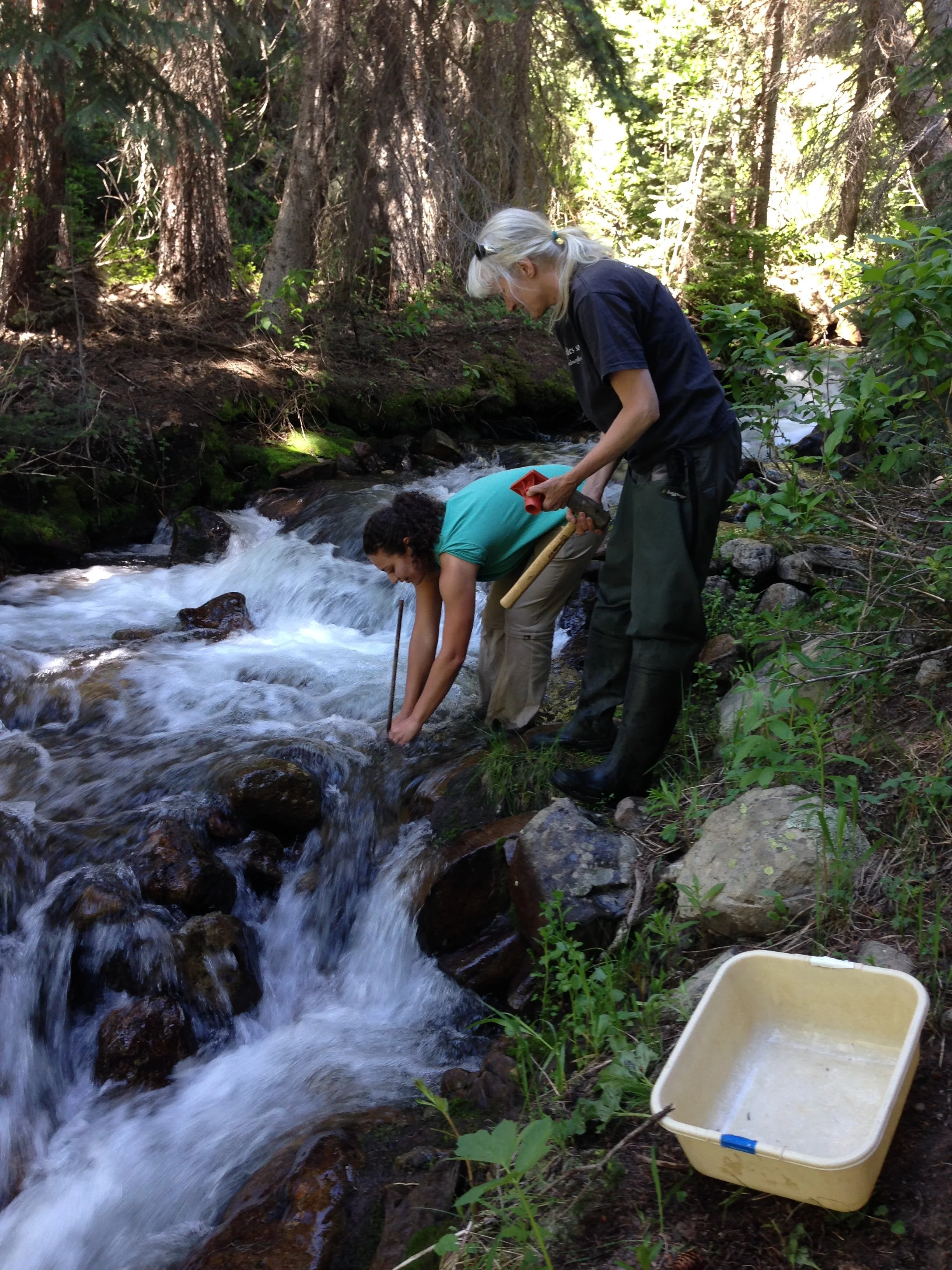
The in-stream flow rights held by RMBL, and supported by decades of scientific work by Rocky Mountain Rivers, demonstrate how science can strengthen water protections and how in-stream flow management can succeed when it’s decentralized outside state control alone.
As proposed by Margot Buckelew in her Master's of Environmental Management capstone project at the Yale School of the Environment, allowing qualified private entities, such as research institutions and environmental nonprofits, to hold in-stream flow rights could expand Colorado’s ability to protect rivers. As water scarcity and climate pressures intensify across the West, this model offers a practical, science-based approach to meeting the growing urgency of water conservation.